What happens when a ProfilPASS, a digital web app, and an innovative training programme come together with the determination of local organisations involved in accompanying the social integration of migrant women across Europe?
You get more than project deliverables. You get transformation in motion.
Over the past months, our EmpowerHer project has reached an exciting milestone: the launch of local workshops in partner countries aimed at supporting migrant women toward empowerment, employability, and recognition of their competences.
The concept may sound simple on paper: provide practical tools, create safe learning spaces, and support women in identifying and strengthening their skills.
But the reality is much richer and more complex.
Each country has adapted the project to its own local context, participants, and realities. And already, three countries have developed three different “magic formulas” for implementation. What unites them is a shared commitment to inclusion, confidence-building, and creating opportunities for women to shape their own futures.
Today, we are glad to share the first stories from the field, with many more to come.
Germany: Building Confidence Through Biography Work and Language Learning
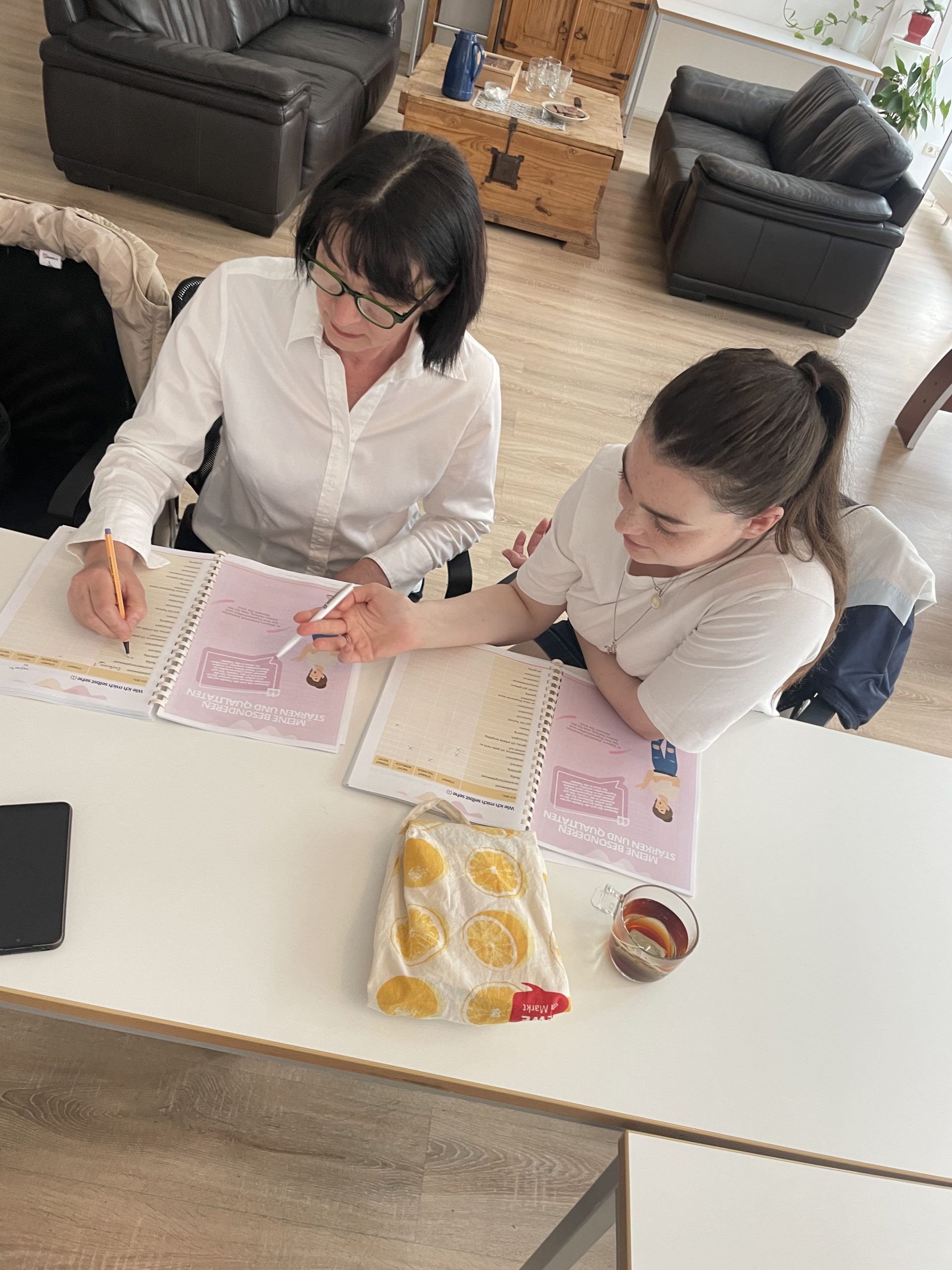
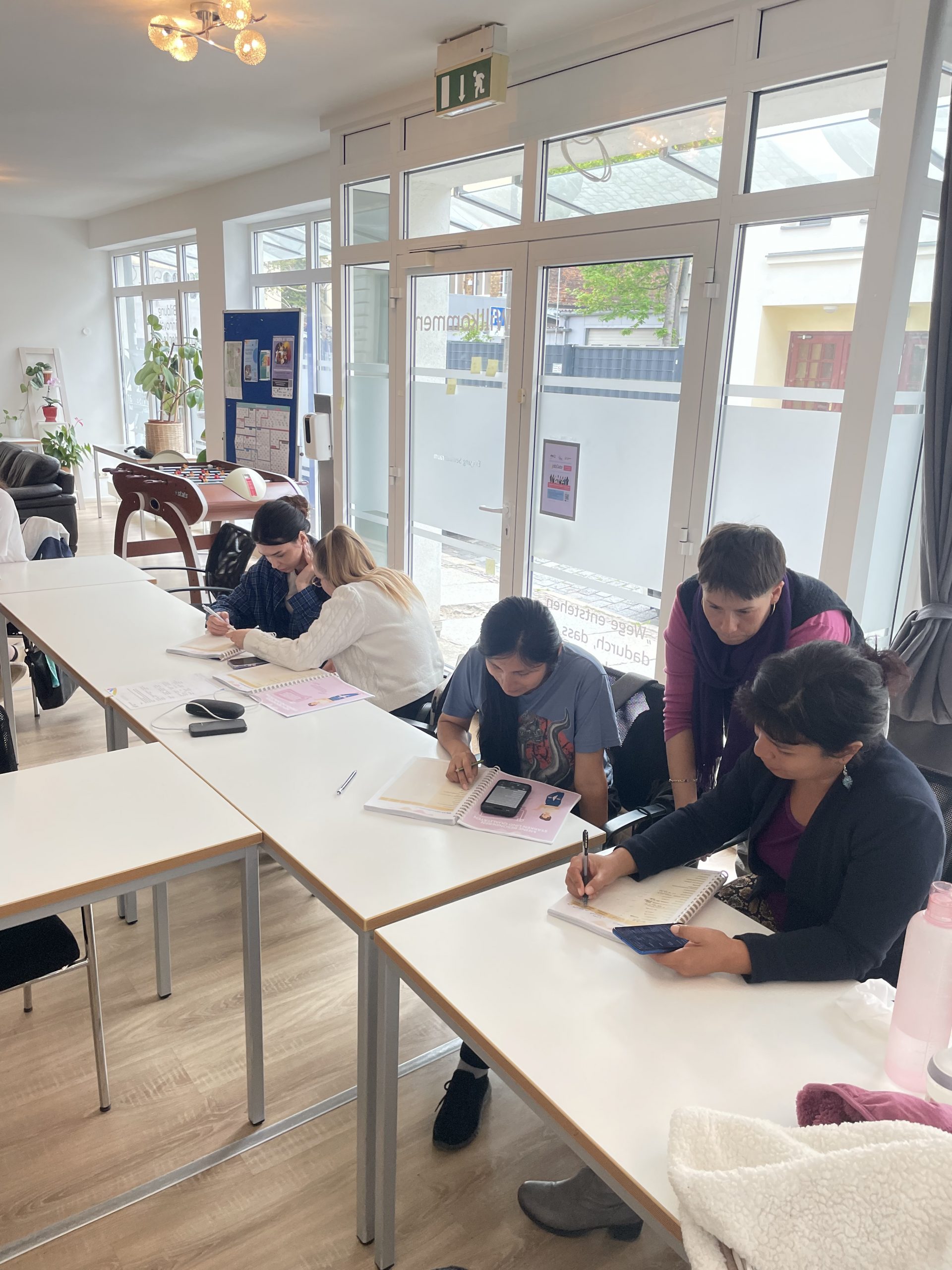
In Germany, the local EmpowerHer workshops are being implemented by two organisations: Wisamar Bildungsgesellschaft, the project coordinator, and Volkshochschule Leipzig (VHS), the largest adult education institute in the region.
At VHS Leipzig, participants first engaged in individual consultations with the trainer, a teacher of German as a foreign language. These sessions allowed women to discuss their personal backgrounds, interests, and learning needs before joining the workshops. Between December 2025 and February 2026, twelve women from Ukraine, Russia, Iran, Spain, Venezuela, and Albania took part in three workshop sessions.
Meanwhile, at Wisamar, two workshops have already been organised in February and May 2026, with a third session planned for June. Ten participants from Afghanistan, Argentina, Peru, and Ukraine joined the activities there.
The workshops combined several dimensions of empowerment:
- biography work and storytelling,
- identifying personal strengths and competences,
- professional goal setting,
- teamwork and cooperation,
- confident communication,
- and German language skills for professional contexts.
Through reflection exercises, brainstorming sessions, and group activities, participants were encouraged to exchange experiences and envision new professional and personal perspectives.
What stood out most in participant feedback was the importance of the atmosphere created during the workshops. Many women highlighted how valuable it was to learn in a safe and supportive environment, to meet other women with similar experiences, and to improve their German language skills while also working on career orientation and self-confidence.
The ProfilPASS and training materials were particularly appreciated as practical tools for self-reflection and future planning. Participants at Wisamar also expressed interest in deepening the practical employability dimension with future sessions on CV writing, portfolio development, and interview preparation.
Cyprus: Flexible Learning and Lasting Support
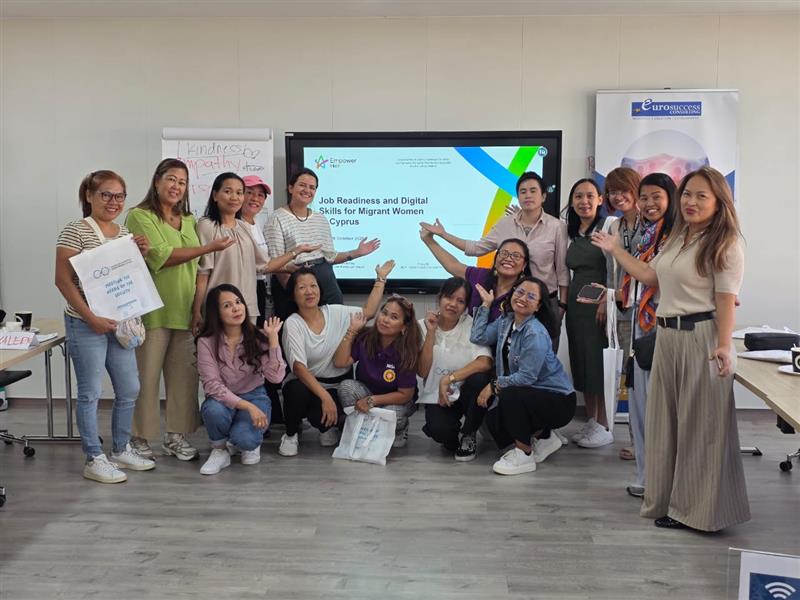
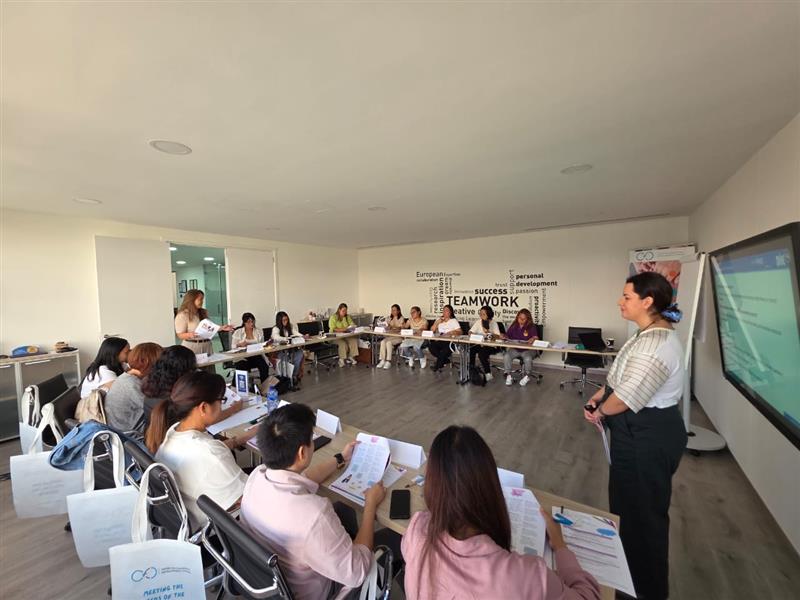
In Cyprus, the EmpowerHer training was implemented in Nicosia by our partner Centre for Competence Development Cyprus (COMCY).
Two training sessions were organised on October 12th and March 1st for a total of twelve migrant women from diverse backgrounds seeking to strengthen their employability and integration skills.
To adapt to participants’ needs and availability, the first session was organised fully in person, while the second adopted a hybrid format, allowing greater flexibility and accessibility.
The workshops combined interactive and practice-based methodologies using:
- the EmpowerHer training programme,
- the project web app,
- group discussions,
- skills reflection activities,
- and the ProfilPASS methodology.
Participants worked on key competences including communication, digital literacy, self-awareness, confidence-building, and professional development planning.
The feedback was overwhelmingly positive. Participants described gaining confidence, improving practical skills, and benefiting from a welcoming and supportive learning environment. Many also appreciated the opportunity to connect with other women facing similar challenges and aspirations.
One particularly encouraging outcome is that several participants have continued their learning journey beyond the workshops through ongoing mentoring support provided by their trainer, Valerie Badilla.
France: Non-Formal Education and Digital Skills for Everyday Empowerment
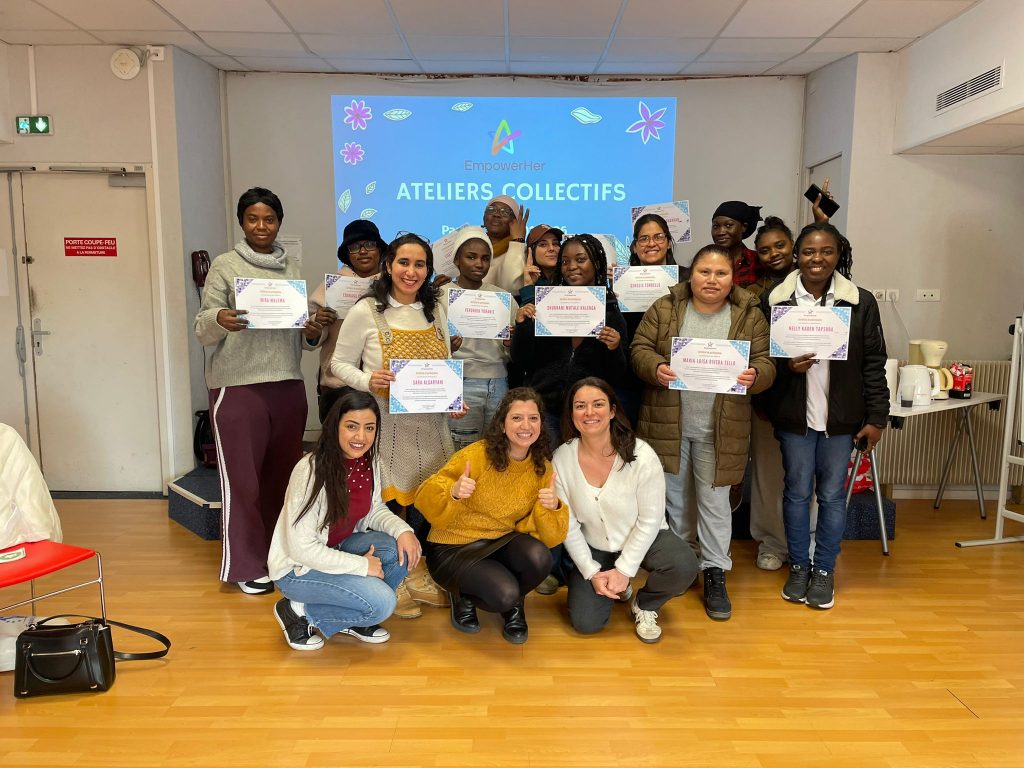
In France, a local workshop with twelve migrant women in partnership with Centre Social La Pépinière has been organised.
From January 19th to 23rd, participants engaged in a series of non-formal education workshops, based on the content of the training programme, designed to strengthen a variety of competences, including:
- communication,
- intercultural sensitivity,
- teamwork,
- and digital skills.
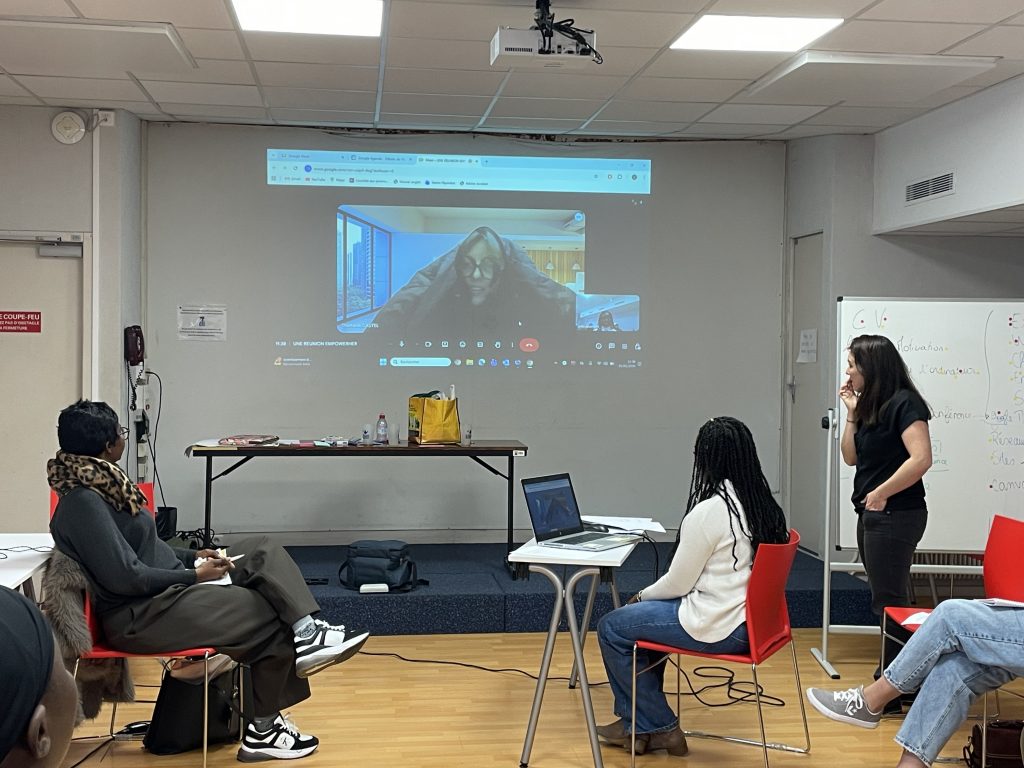
The digital competence component was especially anticipated by participants, many of whom wanted to improve their confidence with everyday digital tools. Workshops focused on practical skills such as videoconferencing platforms and creating digital CVs, essential competences for employability and social inclusion today.
Another central element of the week was the introduction of the ProfilPASS. Presented at the beginning of the training, the tool encouraged participants to reflect on their experiences, competences, and aspirations while helping them begin to build personalised learning pathways.
This work also lays the foundation for the next phase of implementation: the organisation of mini-workshops focused on specific competences identified by participants themselves. The goal is to create even more personalised and participant-led learning opportunities for women wishing to strengthen particular skills.
One European Project, Multiple Paths to Empowerment
What these first implementations clearly demonstrate is that empowerment cannot follow a single model.
Each local workshop reflects the realities, needs, and strengths of its participants and facilitators. Some focus more strongly on language learning, others on digital inclusion, employability, confidence-building, or peer support. Yet all of them share the same ambition: helping migrant women recognise their competences, strengthen their confidence, and become active actors in their own personal and professional journeys.
And this is only the beginning.
More local implementations, more inspiring stories, and more innovative practices are still to come in the next chapters of the EmpowerHer journey.